23 February
News
Dinara Iskakova: The Auto Business is Entering a Maturity Phase
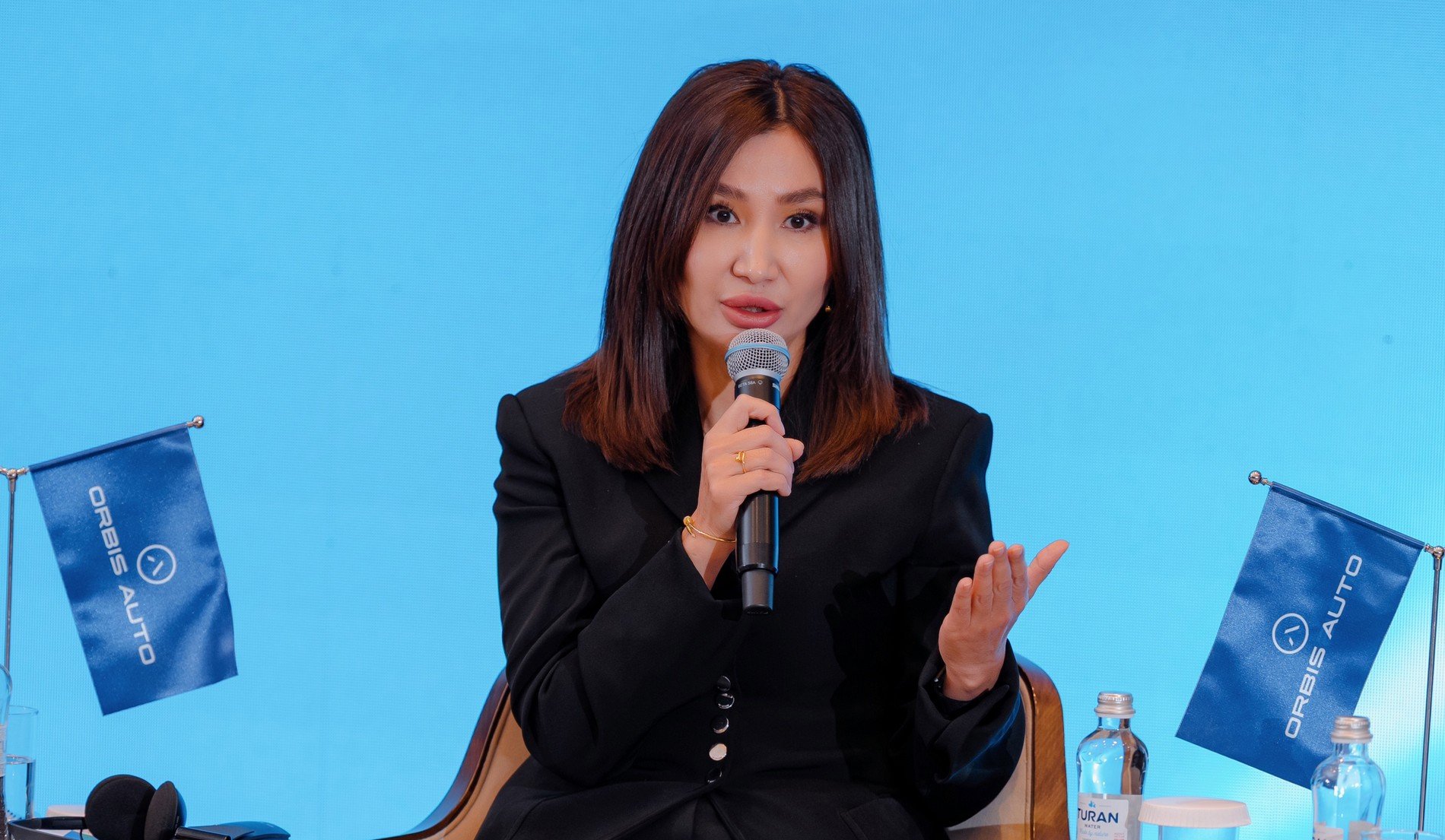
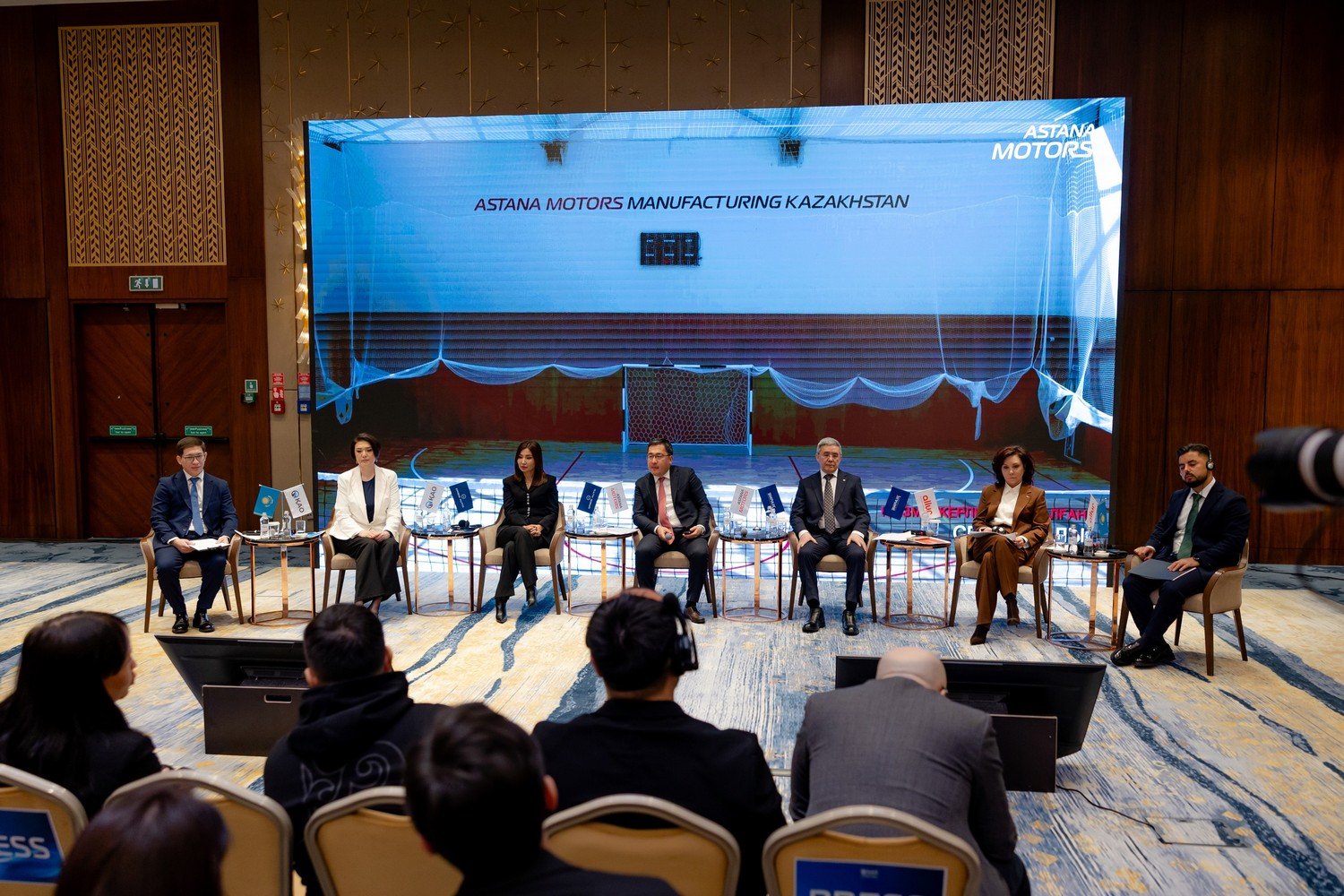
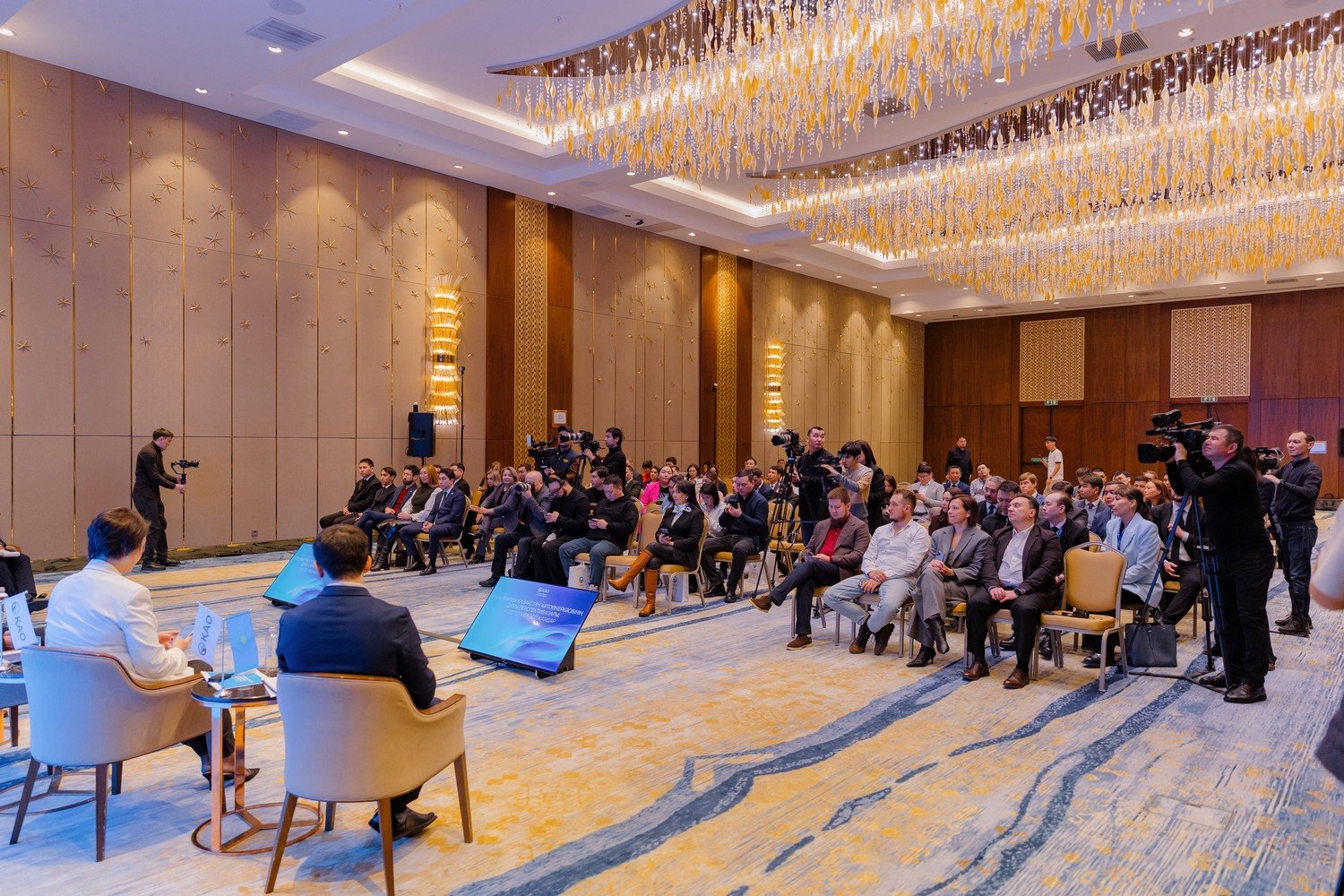
In Astana, at a press conference of the Kazakhstan Automobile Union (QAU), Orbis Auto CEO Dinara Iskakova summarized the company's performance over the past year and outlined the key market trends in Kazakhstan.
Orbis Auto confirmed its status as one of the systemic players in the industry, holding a 10.15% share of the Kazakhstan market. By the end of 2025, the company sold 22,559 passenger cars (+5% compared to 2024), including 9,768 used cars (+7%).
Orbis Auto started 2026 with a portfolio of 18 brands, including 11 distributorships. The company operates 67 dealership centers across 12 cities in Kazakhstan. The team currently consists of over 2,800 employees.
Speaking about the contribution to the economy, Dinara Iskakova reported that Orbis Auto and its subdivisions have paid 245 billion tenge in taxes over the past 5 years alone. In 2023, the independent publication Forbes Kazakhstan ranked Orbis Auto 6th on the list of the country's largest taxpayers among private companies, and in 2024, it ranked 9th among the largest private companies in Kazakhstan.
Four Main Auto Market Trends in 2026
Discussing the prospects for the development of the automotive market, Dinara Iskakova identified four main trends.
First, the rationalization of demand. Emotional purchases are giving way to a pragmatic approach. With the share of credit transactions exceeding 70%, financing conditions are becoming the driver of sales. Buyers evaluate the total cost of ownership (TCO), the residual value of the car, and the development of the service infrastructure.
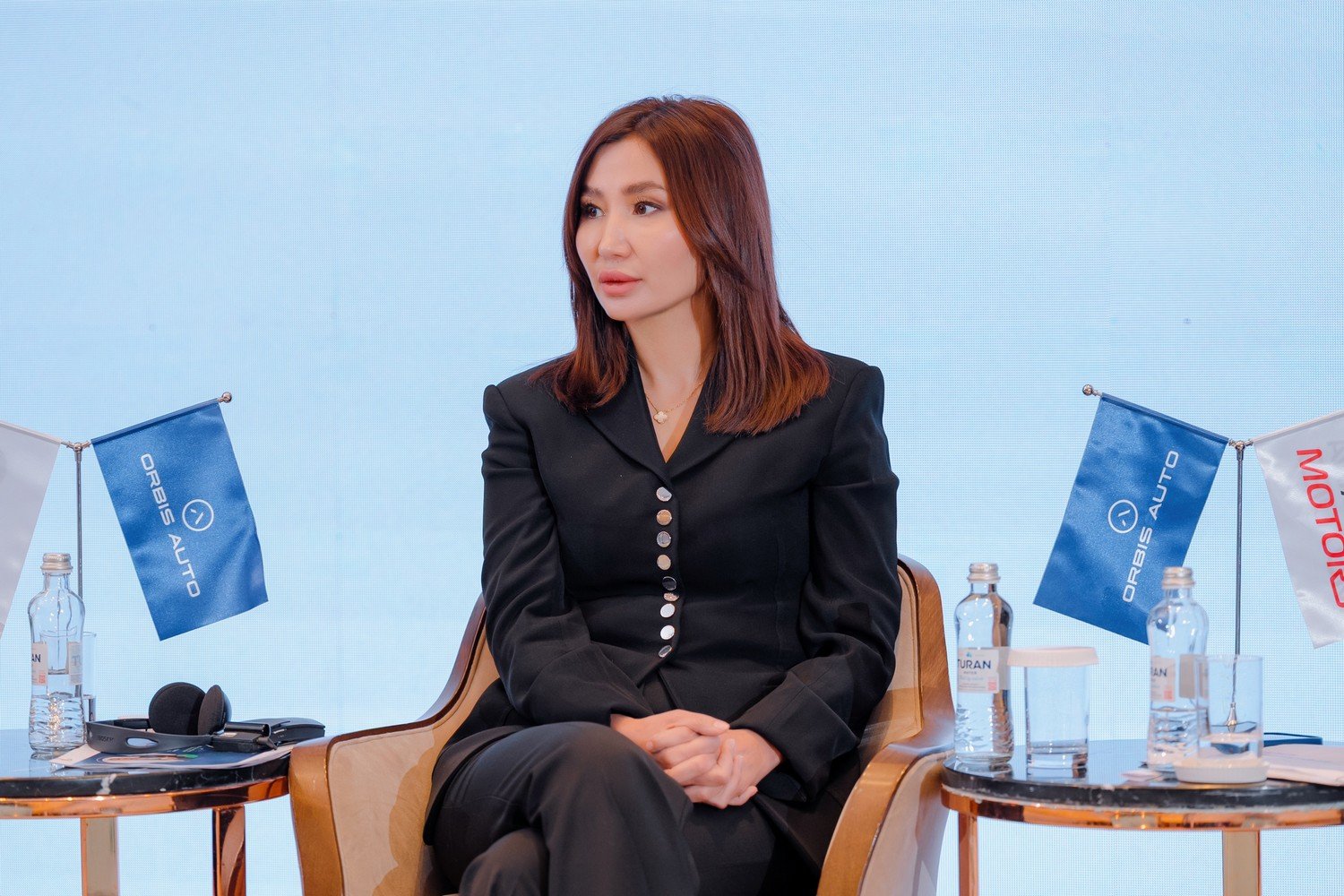
Second, the evolution of the Chinese auto industry. According to Dinara Iskakova, the potential for explosive sales growth of Chinese brands in Kazakhstan has been realized. In 2025, 85,408 new cars of Chinese brands were sold in Kazakhstan, accounting for 38.4% of total sales. The forecast for 2026 is an increase in sales to 98,000 units and a market share growth to 42%. Competition is shifting from price and equipment levels to product quality, brand trust, and the level of service support.
Third, the transformation of the premium segment. The luxury car category is experiencing the most pressure due to the country's high base rate, currency fluctuations, and tax burden. The premium sales forecast for 2026 is 5,928 cars (compared to 5,968 cars in 2025). Long-term customer support is becoming the main instrument of competition, including against new Chinese premium brands.
Fourth, the transition to a support economy. According to Dinara Iskakova, the "sell and forget" model is no longer relevant for dealers. Their financial stability increasingly depends on managing customer lifetime value (LTV) — from the initial purchase to technical maintenance, trade-ins, and repeat transactions.
Forecast for 2026
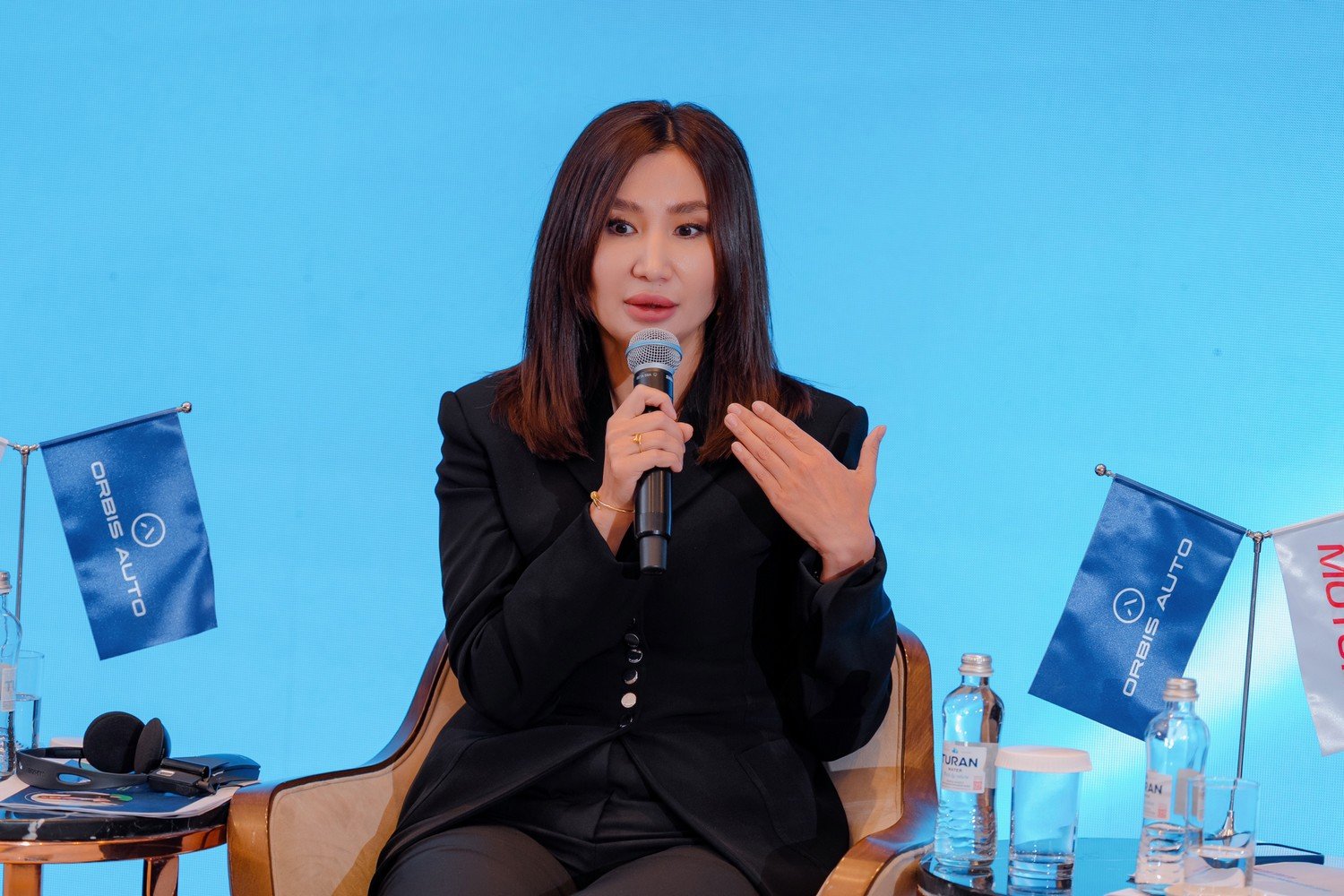
According to the Orbis Auto CEO, 222,332 new cars were sold in Kazakhstan in 2025. In 2026, restrained growth of 5% is expected, reaching up to 233,500 units.
"The market is maturing. Further dynamics will depend not on deferred demand, but on the quality of management. Leadership will remain with companies that possess a strong service infrastructure, a stable financial model, and a focus on long-term client relationships," concluded Dinara Iskakova.
More News